




Facing a criminal trial in Greensboro can be one of the most stressful experiences of your life. At Schlosser & Pritchett, our experienced Greensboro criminal defense lawyers guide clients through each stage of a North Carolina criminal trial, helping reduce anxiety and ensuring you understand your rights and options. While every case has unique elements, trials in North Carolina generally follow a predictable structure that allows both sides to present evidence before a judge or jury.
Pre-Trial Motions and Jury Selection
Before trial begins, we may file pre-trial motions to address legal issues that could affect how your case proceeds. These motions might challenge the admissibility of evidence, request dismissal if the prosecution lacks sufficient proof, or seek to exclude prejudicial testimony. In North Carolina, defendants have a constitutional right to a speedy trial. If you are jailed on a felony, you can demand a trial in open court, requiring the state to indict you by the next court term or secure your release on bail.
Jury selection, or voir dire, comes next. The judge and attorneys question potential jurors to uncover biases or conflicts of interest. A Greensboro criminal defense lawyer from our firm uses this process to identify jurors sympathetic to your case while excluding those likely to convict. Felony juries in North Carolina Superior Court consist of twelve jurors, and a unanimous verdict is required. Both sides may remove jurors for cause or through a limited number of peremptory challenges.
Opening Statements Set the Stage
Once the jury is sworn, the prosecution presents opening statements first, providing a roadmap of their evidence. Then, our defense team delivers an opening statement to outline your version of events, highlight weaknesses in the prosecution’s case, and introduce themes that guide juror thinking. While not evidence, openings influence how jurors interpret what follows, and we ensure they reflect both honesty and strategy.
The Prosecution’s Case-in-Chief
The prosecution presents its case by calling witnesses and introducing evidence. We cross-examine each witness to:
- Challenge credibility
- Expose inconsistencies
- Emphasize facts supporting your defense
Our preparation often allows us to anticipate witness testimony based on discovery materials. Effective cross-examination can raise doubts about reliability and clarify facts overlooked by the prosecution.
Once the prosecution rests, we may file a motion to dismiss if evidence is insufficient. While granted rarely, these motions are sometimes successful when the case has clear gaps.
The Defense Case and Rebuttal
The defense may present evidence, witnesses, or choose not to testify, the burden of proof always remains on the prosecution. Possible defense witnesses include:
- Alibi witnesses
- Character witnesses
- Expert witnesses challenging prosecution evidence
- Eyewitnesses with differing accounts
- You, the defendant, if it strengthens your case
Afterward, the prosecution may present rebuttal evidence, and we can respond with surrebuttal if needed. Finally, both sides rest, and the trial moves toward conclusion.
Closing Arguments, Jury Instructions, and Deliberation
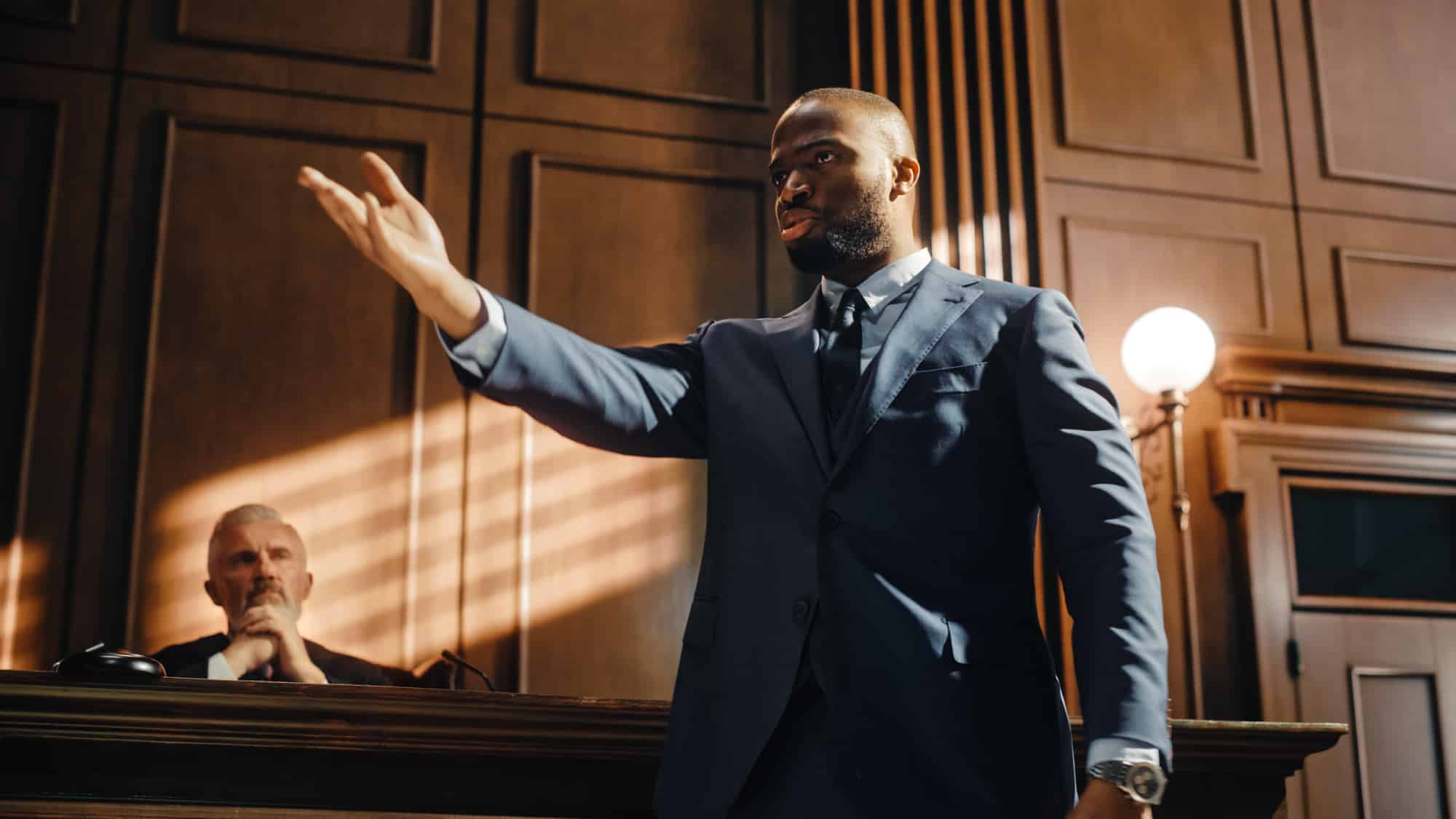
During closing arguments, lawyers interpret evidence and advocate for their position. The prosecution goes first, followed by our defense team, and the prosecution receives a brief rebuttal. We use this time to tie together themes from openings and evidence, emphasizing reasonable doubt and weaknesses in the prosecution’s case.
Next, the judge instructs the jury on relevant laws, burden of proof, and evaluation of credibility. Jury deliberation is private; felony convictions require unanimous agreement. If the jury cannot reach a verdict, a mistrial is declared, and the prosecution decides whether to retry the case.
Key North Carolina-Specific Procedures
Some North Carolina-specific procedures our clients should know include:
- Right to a Bench Trial: Defendants may waive a jury for a judge-alone trial in non-capital cases, with prosecutor consent and judicial inquiry.
- Access to Evidence: Body camera and law enforcement recordings are obtained through S. 132-1.4A procedures.
- Immigration Status Checks: For felony or Class A1 misdemeanors, the court verifies citizenship; inability triggers ICE involvement.
- Speedy Trial Rights: Constitutional protections ensure timely trials, potentially leading to release if not indicted promptly.
Contact a Greensboro Criminal Defense Lawyer Today
Criminal trials involve many procedural steps and strategic decisions that significantly affect outcomes. At Schlosser & Pritchett, our experienced Greensboro criminal defense lawyers guide clients through each stage of a North Carolina criminal trial, ensuring they understand the process, prepare effectively, and receive aggressive advocacy.
If you are facing charges that may go to trial, do not navigate this complex process alone. Contact us online or call (336) 292-4076 today to schedule a consultation. Early intervention by our team can make an important difference in how your case is presented and resolved.