




Miranda rights violations don’t automatically dismiss criminal charges, but they can be powerful defense tools. Understanding when police must read these warnings, and what happens when they don’t, can significantly impact your case outcome in Greensboro criminal courts. At Schlosser & Pritchett, our Greensboro criminal defense attorneys analyze every interview, traffic stop, and arrest for Miranda violations.
Understanding Miranda Rights Under North Carolina Law
The 1966 U.S. Supreme Court case Miranda v. Arizona established that police must inform suspects of their constitutional rights before custodial interrogation. North Carolina criminal courts strictly enforce these protections, ensuring your rights are protected.
Your Miranda rights include:
- Right to remain silent and refuse to answer questions
- Right to know anything you say can be used as evidence against you
- Right to have an attorney present during interrogation
- Right to a court-appointed attorney if you cannot afford one
A seasoned Greensboro criminal defense lawyer evaluates whether police delivered these warnings clearly and whether you knowingly waived them.
When Police Must Read Miranda Warnings
Two conditions must exist before police are required to read Miranda rights:
(1) You must be in custody, and (2) police must be interrogating you.
Custody means a reasonable person would not feel free to leave. Arrests always count, but many roadside encounters and traffic stops do not, unless the officer’s actions show the situation has escalated into custodial detention. Interrogation includes any question reasonably likely to elicit an incriminating response.
Our firm often sees Miranda issues in Greensboro DWI arrests, where officers begin asking detailed, incriminating questions long before providing any warnings.
Common Miranda Violations in Greensboro Criminal Cases
Miranda violations occur in various ways throughout Guilford County. Recognizing these patterns helps you identify when police violated your rights:
- Police question suspects after arrest without providing warnings first
- Officers continue interrogating after suspects invoke silence rights
- Police fail to honor requests for an attorney
- Officers coerce confessions through threats or promises
- Interrogation occurs without any warnings in police-dominated environments
A skilled Greensboro criminal defense attorney knows how to identify these violations by reviewing body-cam footage, audio recordings, and officer reports.

What Happens When Police Violate Miranda Rights
When Greensboro police violate your Miranda rights, courts should suppress statements from the illegal interrogation. Prosecutors cannot use those statements as evidence. Physical evidence discovered because of your statements may be excluded under the “fruit of the poisonous tree” doctrine.
However, a case is not automatically dismissed simply because Miranda rights were violated. Prosecutors may still attempt to proceed using physical evidence, witness statements, or police observations. This is why having an experienced Greensboro criminal defense lawyer is vital; they know how to show the court exactly why the violation cripples the state’s case.
Building a Strong Suppression Motion Strategy
We challenge Miranda violations through suppression motions filed before trial. Under North Carolina General Statutes § 15A-977, defendants can move to suppress evidence from constitutional violations. Our motions identify when custody began, document what warnings were given, and prove that statements were involuntary. Successful suppression can devastate prosecution cases.
Protecting Your Rights During Police Contact
The smartest approach is invoking your Miranda rights immediately. Clearly state “I invoke my right to remain silent” and “I want to speak with an attorney.” Silence cannot be used against you in North Carolina courts. Police may suggest cooperation will help or that refusing to talk makes you look guilty, don’t fall for these tactics.
When You Should Invoke Your Miranda Rights in a Criminal Case
You should invoke Miranda rights in several situations:
- Police approach you as a suspect
- Before answering questions after arrest
- If police pressure you to explain yourself
- Before making statements about alleged crimes
You can invoke rights at any point, even after initially answering questions. Invoking protects your constitutional freedoms.
How Our Greensboro Criminal Defense Lawyers Investigate Miranda Violations
At Schlosser & Pritchett, we thoroughly investigate every client interaction with the police. We obtain arrest reports, interrogation recordings, witness interviews, and body camera footage. We prepare detailed suppression motions demonstrating constitutional violations. Our arguments show custody existed before warnings and document coercive police tactics used by law enforcement.
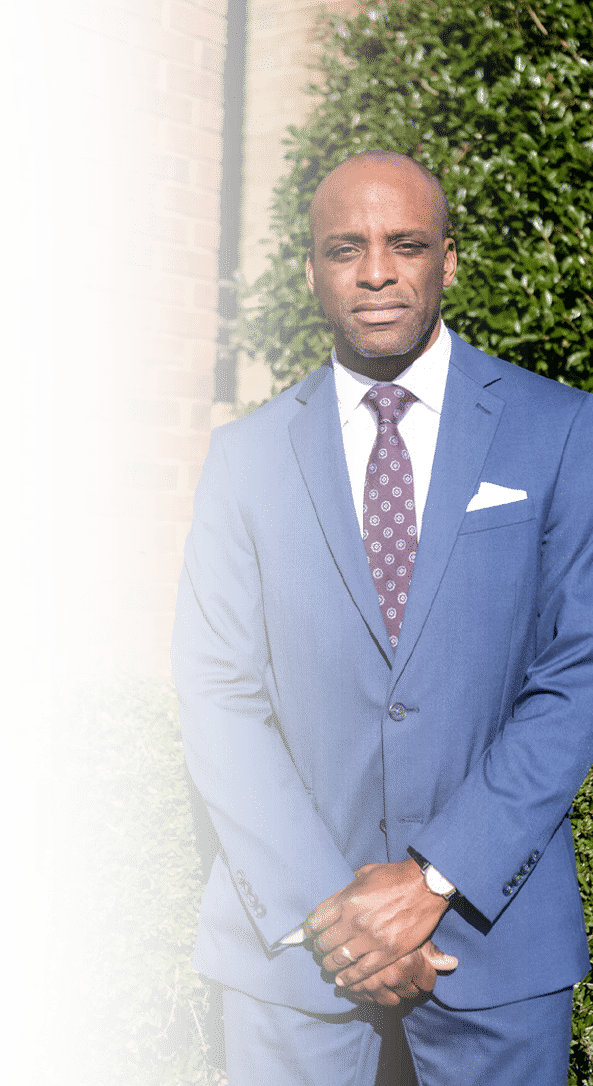
Jan Pritchett is a board-certified attorney in criminal law and a former Guilford County Assistant District Attorney dedicated to protecting your constitutional rights.

Talk to a Greensboro Criminal Defense Attorney About Miranda Violations Today
If you believe your Miranda rights were violated, do not wait. The sooner a Greensboro criminal defense attorney evaluates your case, the stronger your defense becomes. Even if you already answered police questions, your statements may still be suppressible if the waiver was unclear or involuntary.
Call us at (336) 292-4076 or contact us online for a consultation. We’ll review your situation, explain how Miranda violations impact your defense, and fight to protect your constitutional rights.