




Field sobriety tests are among the first tools North Carolina officers use to build a DWI case, but they are subjective, error-prone, and often administered incorrectly. When officers deviate from standardized protocols, the results become unreliable as evidence of impairment. Understanding how field sobriety test errors can strengthen your Greensboro DWI defense starts with knowing what these tests involve and where they commonly go wrong. Our defense attorneys at Schlosser & Pritchett bring the perspective of former prosecutors to every DWI defense case across Greensboro and North Carolina.
The Three Standardized Field Sobriety Tests in North Carolina
The National Highway Traffic Safety Administration recognizes three standardized tests for roadside DWI screening. NHTSA’s own research reports significant accuracy limitations for all three, making them screening tools for arrest decisions rather than definitive measures of impairment.
- Horizontal Gaze Nystagmus (HGN): Officers look for involuntary eye movements; accuracy is about 77 percent under ideal conditions.
- Walk-and-Turn: Officers observe balance, step count, and instruction-following, and correct about 68 percent of the time.
- One-Leg Stand: Officers look for swaying, hopping, or foot placement, valid roughly 65 percent of the time.
Officer Errors That Compromise Field Sobriety Test Results
The accuracy rates above assume tests are administered exactly per NHTSA protocol, which rarely happens in the field. Common officer errors include giving incorrect or incomplete verbal instructions, failing to physically demonstrate the test, conducting tests on sloped or debris-covered surfaces, interrupting the test before the required observation time, and failing to document results accurately in the arrest report. Officers who administer non-standardized tests like the finger-to-nose test or alphabet recitation are relying on exercises that lack a validated accuracy rate and carry no scientific weight in court.
Medical and Environmental Factors That Mimic Impairment
Many conditions unrelated to alcohol produce the same physical responses officers interpret as impairment:
- Inner ear disorders that affect balance, including vertigo and labyrinthitis
- Neurological conditions, back injuries, and ankle instability
- Prescription medications that cause nystagmus, triggering false HGN positives
- Fatigue, age, and weight
- Poor lighting, cold weather, rain, wind, and uneven pavement
- Nervousness and anxiety during a police encounter
Any of these factors can explain poor test performance without impairment, and our Greensboro DWI defense lawyers can present this evidence effectively in court.
How Flawed FSTs Affect Probable Cause Under N.C.G.S. Section 20-138.1
DWI charges under N.C.G.S. Section 20-138.1 require officers to establish probable cause before arresting and requesting chemical testing. FSTs are a primary tool officers use for building probable cause. When tests are improperly administered or conducted under conditions that invalidate the results, the legal basis for the arrest can be challenged.
If a court finds probable cause was lacking, evidence obtained after the arrest, including breathalyzer results and blood draws, may be suppressed. This can fundamentally alter the outcome of the case.
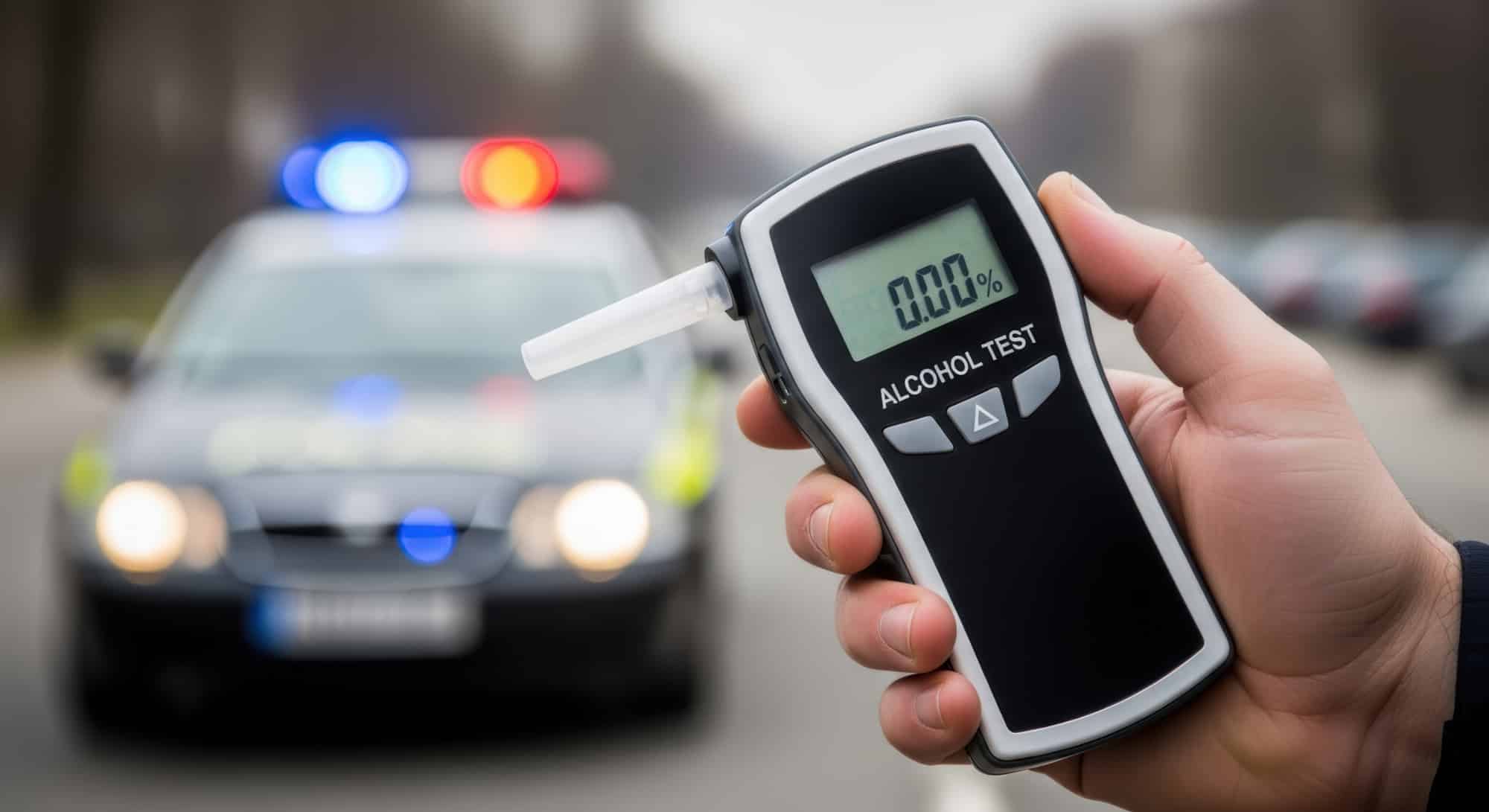
How Our DWI Defense Attorneys Challenge Field Sobriety Evidence
Our Greensboro DWI defense lawyers challenge FST evidence at multiple stages of the case. Suppression motions argue that the arrest lacked probable cause based on improperly administered tests. Cross-examination of the arresting officer targets specific NHTSA protocol deviations. Dashcam and bodycam footage often reveals testing conditions that the officer’s written report omits entirely.
Defense witnesses and forensic toxicologists can testify about medical or environmental factors that explain poor test performance without impairment. This approach is common across criminal defense cases involving both felony and misdemeanor charges.
You Are Not Legally Required to Perform Roadside FSTs in North Carolina
Many drivers do not realize that roadside field sobriety tests are entirely voluntary in North Carolina. There is no legal penalty for politely declining to perform them. Refusing the roadside tests does not guarantee you will not be arrested. If the officer has other observations, such as the smell of alcohol, slurred speech, or erratic driving, they can still take you into custody. Refusal simply means there are no FST results for the prosecution to use against you.
This is separate from the implied consent law under N.C.G.S. Section 20-16.2, which applies to chemical tests, such as a breathalyzer test, administered after a formal arrest. Our Greensboro criminal defense attorneys can advise how refusal or participation in FSTs affects your overall defense strategy.

Build Your Case With Greensboro DWI Defense Lawyers Who Know Both Sides
Knowing how field sobriety test errors can strengthen your Greensboro DWI defense is the first step toward fighting back. Schlosser & Pritchett’s Greensboro DWI defense lawyers are led by three former district attorneys with over 25 years of combined courtroom experience. Contact us online for a free initial consultation.