




When you are facing criminal charges, the way police conduct themselves during an arrest or investigation can determine the outcome of your case. In North Carolina, law enforcement officers are required to follow strict constitutional and procedural rules designed to protect your rights. When these rules are ignored, the evidence gathered may be challenged, and in some cases, the charges themselves may be dismissed.
Working with a Greensboro defense lawyer from Schlosser & Pritchett can make all the difference in identifying instances of police misconduct and leveraging them effectively in court. They will help identify and prove the illegal actions by law enforcement to push for dismissal of improperly supported charges..
How Police Misconduct Can Lead to Suppression and Dismissal of Charges
Police misconduct occurs when officers violate the law, department policies, or constitutional rights during the course of an investigation or arrest. In North Carolina, these violations can directly impact whether evidence is admissible in court and, in some cases, whether charges can be prosecuted at all.
Some common forms of police misconduct include:
- Unlawful searches and seizures: The Fourth Amendment covers individuals from searches conducted without a valid warrant or without probable cause. If police overstep these boundaries, any evidence collected may be excluded.
- Improper traffic stops or arrests: Traffic officers must have reasonable suspicion to pull you over and probable cause to make an arrest. If those standards are not met, the traffic violation charges may be dismissed.
- Excessive force or intimidation: Coercion, threats, or unnecessary violence can tarnish the legitimacy of an arrest and may impact the prosecution’s ability to proceed.
- Failure to advise of Miranda rights: If a police officer questions you while in custody without informing you of your right to remain silent and to an attorney, any resulting statements may be thrown out.
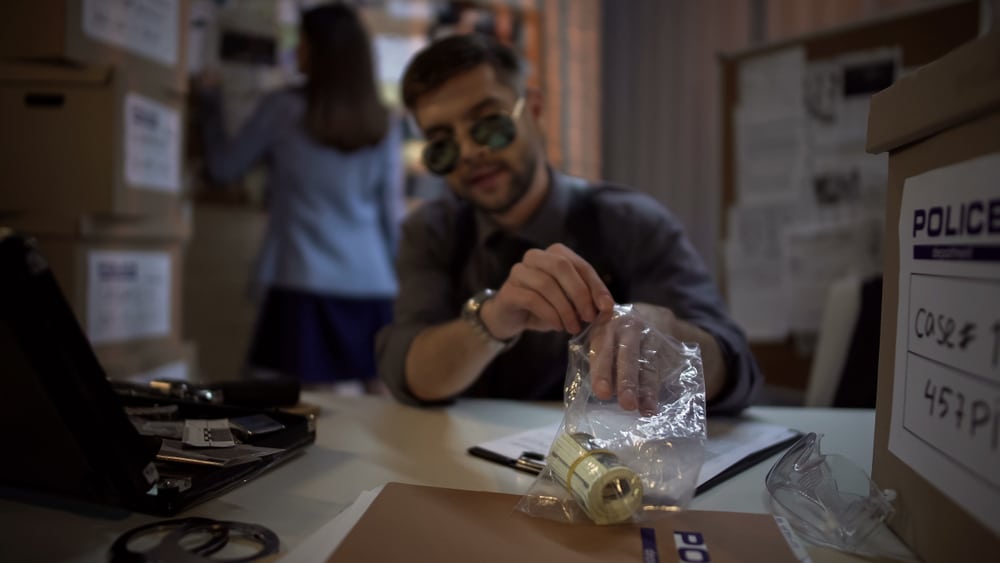
- Tampering with or falsifying evidence: Any indication that evidence was altered, lost, or fabricated can significantly undermine the prosecution’s case.
These forms of misconduct matter because they can compromise the fairness of a trial. A Greensboro defense attorney will focus on identifying such violations and challenging the prosecution’s reliance on tainted evidence. Here are the ways to dismiss charges based on police misconduct:
The Exclusionary Rule and Suppression of Illegally Obtained Evidence
North Carolina strictly enforces the exclusionary rule, which prohibits the admission of evidence gathered in violation of the Constitution. Defendants can file a motion to suppress if evidence was obtained through illegal searches, seizures, coerced confessions, or violations of due process. If granted, this evidence is excluded from trial—potentially undermining the prosecution’s case entirely.
Suppression as a Path to Dismissal
When key evidence is suppressed, the prosecution may lack sufficient support to proceed. In such cases, judges often dismiss charges because what remains is legally insufficient. This underscores the practical importance of holding police accountable, not just for fairness, but for the integrity of the judicial process itself.
Section 15A-974 of the North Carolina General Statutes
Under N.C.G.S. § 15A-974, courts must suppress evidence obtained by substantial violation of the law, unless the officer acted in objectively reasonable good faith. Courts assess issues such as the scope of the violation, whether it was willful, and whether suppression will deter future abuse.
Brady Violations and Withheld Exculpatory Evidence
The Brady Doctrine mandates that prosecutors disclose all evidence that may exonerate the defendant or undermine their case. In North Carolina, this obligation is codified under N.C.G.S. § 15A-903, which compels the timely disclosure of exculpatory evidence. Failure to do so may result in reversed convictions, new trials, or dismissal of charges.
Misconduct That Undermines Pleas and Convictions
Even after a plea is entered or suppression motions are resolved, newly discovered evidence of misconduct may lead to vacating convictions or dismissal. Your Greensboro defense lawyer will evaluate every aspect of your arrest and prosecution. They can spot misconduct, file timely suppression motions, and demand disclosure of all relevant evidence.
Being familiar with the ins and outs of North Carolina’s suppression law and Brady obligations is key to successfully challenging improper conduct, dismissing charges, or pursuing exoneration when convictions are tainted by misconduct. It is highly advisable to seek the help of an attorney early on to explain your rights in relation to police investigations and arrests and assess any potential misconduct that can help develop a defense strategy.
A Charlotte, NC Defense Lawyer Can Evaluate Your Case
If you’re charged with a crime in Greensboro, evidence of police misconduct can be useful when pushing for dismissal of the charges. At Schlosser & Pritchett, we are dedicated to protecting your rights and ensuring that justice is served. Our experience in handling dismissal motions means we’re prepared to challenge misconduct at every level. Contact us at 336-292-4076 or visit our website to schedule a complimentary initial consultation today.