




A felony conviction in North Carolina doesn’t just carry the threat of prison time, it can strip away your right to vote, own a gun, find stable housing, or hold a professional license. Even after you’ve served your sentence, the stigma can follow you for life. And it doesn’t always take a violent act to land you there. From drug charges to white-collar crimes, the long-term consequences can be devastating.
If you or someone you love is facing a felony charge in Greensboro, you don’t have to navigate it alone. The Greensboro, NC criminal defense attorneys at Schlosser & Pritchett know how high the stakes are. They’re here to help you understand your rights, explore all possible defenses, and fight for the best possible result in your case.
What Is a Felony Under North Carolina Law?
In simple terms, a felony in North Carolina is a more serious crime than a misdemeanor. It usually means you can face more than a year in prison, and not in your local jail but in a state facility run by the Department of Adult Correction. North Carolina law, under N.C. Gen. Stat. § 14-1, defines a felony as any offense that can be punished by death or by time in state prison. Misdemeanors are less severe and typically result in penalties like probation, fines, or shorter jail time in the county jail.
But the difference goes beyond just the sentence. Even being charged with a felony, without a conviction, can affect your job opportunities, housing, child custody rights, and reputation. That is why it is so important to understand what you are facing and to speak with a knowledgeable Greensboro criminal defense lawyer as early as possible.
Common Types of Felony Crimes in North Carolina
Felony charges in North Carolina can stem from many different types of conduct. Some involve violence, while others deal with drugs, money, or even driving. No matter the charge, the consequences can be serious. Here’s a closer look at the most common types of felony offenses:
Drug Offenses
Drug-related felonies often depend on the type and amount of the substance involved. Charges can include:
- Possession with intent to sell or deliver (PWISD)
- Drug trafficking, including marijuana, cocaine, heroin, or fentanyl
- Manufacturing controlled substances, like methamphetamine
Violent Crimes
These are offenses where someone is physically harmed or put in serious danger. Examples include:
- Assault with a deadly weapon (AWDW)
- Manslaughter, both voluntary and involuntary
- First- or second-degree murder
Property Crimes
Property crimes become felonies when the value is high or there’s intent to commit a more serious offense. Common examples are:
- Felony larceny, usually theft involving items over $1,000
- Breaking and entering, especially when there’s intent to commit another felony
- Arson
- Identity theft, including using someone’s personal information without consent
Sex Crimes
Sex-related charges carry some of the harshest penalties and lifelong consequences. These include:
- Rape or statutory rape
- Sexual exploitation of a minor
- Indecent liberties with a child
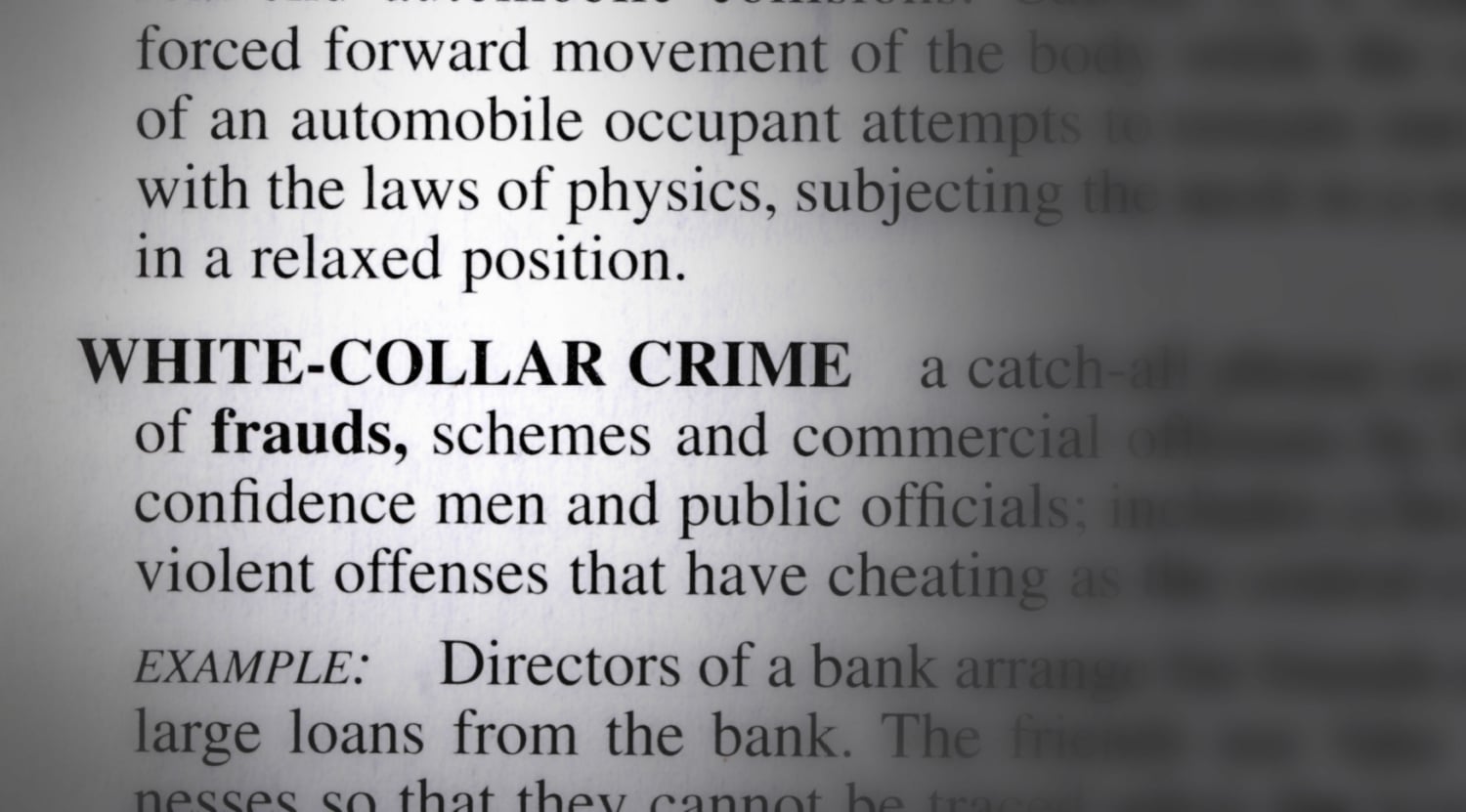
White Collar Crimes
White collar crimes often involve financial deception, and though they may not be violent, they are still taken seriously under state law. Examples include:
- Embezzlement
- Forgery or counterfeiting
- Insurance fraud or wire fraud
Weapon Offenses
Gun-related charges can rise to the level of a felony depending on who has the weapon and where it’s found. Charges may include:
- Felon in possession of a firearm
- Gun trafficking
- Possession of a firearm on school property
Driving Offenses
Driving crimes may not seem like felonies at first glance, but they can quickly escalate depending on the facts. Examples include:
- Felony DWI, often charged when someone has multiple prior DWIs
- Vehicular manslaughter, especially when alcohol or drugs are involved
Each of these offenses is handled differently by the courts, and the exact charge you face can make a big difference in sentencing. If you’re not sure where your case falls, a Greensboro criminal defense attorney can explain what you’re up against and what your options may be.
Felony Classifications in North Carolina
North Carolina separates felonies into ten different classes: A, B1, B2, C, D, E, F, G, H, and I. These classes range from the most serious crimes, like murder, to less severe but still serious offenses like drug possession or theft. Here’s how the classifications break down:
- Class A: Includes crimes like first-degree murder. Punishable by life in prison or death.
- Class B1: Violent crimes like armed rape. Often results in long prison terms.
- Class B2: Includes second-degree murder. Carries serious prison time.
- Class C–E: Covers charges like manslaughter, armed robbery, and assault with intent to kill.
- Class F–I: Includes nonviolent crimes like drug possession, embezzlement, or larceny. Still serious and can lead to jail time or probation.
Your felony class plays a big role in determining the sentence you can face. But it’s not the only factor. The court also considers your prior record level, which reflects your past convictions and history. If you’re facing any type of felony in Greensboro, a criminal defense attorney can help you understand what class your charge falls into, what penalties apply, and how to fight for the best possible outcome.

Sentencing Guidelines for Felony Charges
In 1994, North Carolina adopted the Structured Sentencing Act, which uses a grid to guide felony punishments. Two main factors determine your sentence:
- The class of the felony
- Your prior record level (ranging from Level I to Level VI)
These two factors are combined on a sentencing grid to determine the possible punishment. From there, your sentence will usually fall into one of three categories:
- Active punishment: This means time in a state prison.
- Intermediate punishment: This can be supervised probation, possibly with added conditions like electronic monitoring, house arrest, or court-ordered treatment.
- Community punishment: These are lighter penalties like unsupervised probation, fines, or community service.
Judges then apply the aggravated, presumptive, or mitigated range depending on the facts of the case. An experienced Greensboro, NC criminal defense lawyer can help push for the least severe outcome.
How Aggravating and Mitigating Factors Affect Felony Sentencing in North Carolina
During sentencing, the court can consider factors that increase (aggravate) or decrease (mitigate) the seriousness of the crime. These directly influence whether you receive a harsher or more lenient penalty.
Aggravating Factors
These are details that can lead to a tougher sentence. Using a deadly weapon, having a leadership role in a crime, harming a vulnerable person like a child, or having past convictions can all count against you.
Mitigating Factors
On the other hand, mitigating factors can help reduce your sentence. Having no prior criminal record, playing only a minor role in the offense, showing genuine remorse, or completing treatment or rehabilitation programs can all weigh in your favor. Accepting responsibility early on can also help the court view your case more leniently.
A skilled Greensboro criminal defense attorney can work to highlight these mitigating details and push for the best possible outcome, whether that means a lighter sentence, probation, or an alternative to jail.
Felony Case Process in North Carolina
Facing a felony charge can feel overwhelming, but knowing what to expect at each stage can make the process more manageable. Here’s how most felony cases move through the court system in North Carolina:
- Arrest and Bond Hearing: You may be arrested based on a warrant or probable cause. A judge will decide if you can be released on bond.
- Indictment: A grand jury reviews the evidence to decide if formal charges should be filed.
- Arraignment: You’ll hear the charges and enter a plea of guilty, not guilty, or no contest.
- Pretrial Motions: Your lawyer can ask the court to dismiss charges or block certain evidence.
- Plea Bargaining: Many cases are resolved through deals for reduced charges or sentences.
- Trial: If no plea is made, your case goes to trial before a judge or jury.
- Sentencing and Appeals: If convicted, the judge gives a sentence. You may be able to appeal.
Every stage of a felony case involves important decisions. Having an experienced Greensboro criminal defense lawyer by your side ensures your rights are protected from start to finish.
Long-Term Consequences of a Felony Conviction
A felony conviction in Greensboro can affect nearly every part of your life. Some of the most common long-term impacts include:
- Loss of civil rights, like voting or owning a firearm
- Barriers to employment, especially in licensed professions
- Trouble finding housing due to background checks
- Driver’s license suspension in certain cases
- Immigration issues for non-citizens
Even after you’ve completed your sentence, these consequences can follow you for years. Having a defense lawyer on your side early on can make a difference in your future.
Can a Felony Be Expunged in North Carolina?
Expungement can remove certain felony charges from your public record in North Carolina, but it’s only allowed in limited cases. Under N.C. Gen. Stat. § 15A-145.5, you may qualify if the felony was nonviolent, you have no other convictions, and at least 10 years have passed since finishing your sentence. Charges like violent crimes, sex offenses, and felony DWIs usually can’t be cleared. If your case was dismissed or you were found not guilty, you might be eligible right away.
The process involves filing a petition, waiting on court review, and possibly attending a hearing. A Greensboro expungement lawyer can help ensure everything is done correctly and on time.

How a Greensboro, NC Criminal Defense Lawyer Can Help
Felony charges can change your life, but a strong legal defense can change the outcome. A Greensboro criminal defense lawyer from Schlosser & Pritchett, can review the evidence, identify any police errors, and challenge weak or unlawfully obtained proof. They’ll handle pretrial motions, negotiate with prosecutors, and fight for reduced charges or alternative sentencing like probation or treatment programs.
If you’re eligible for expungement or a sentence reduction later, they can guide you through that as well. Getting a lawyer involved early can make a big difference in how your case unfolds.
Special Programs That May Apply to Felony Cases
If it’s your first offense or if there are specific circumstances surrounding your case, you may qualify for programs that focus more on rehabilitation than punishment. Some of the options available in North Carolina include:
- Conditional discharge under C. Gen. Stat. § 90-96 for certain first-time drug offenses
- Deferred prosecution for eligible low-level felonies, often involving probation and treatment requirements
- Drug treatment court or mental health court if your offense was tied to addiction or mental illness
- Veterans treatment court for qualifying military veterans facing criminal charges
These programs can help you avoid a permanent felony conviction and give you a real opportunity to move forward.
Talk to a Greensboro, NC Criminal Defense Attorney Today
If you’ve been accused of felony charges in Greensboro, you don’t have to face it alone. The team at Schlosser & Pritchett understands how stressful and emotional these situations can be. Our Greensboro criminal defense lawyers take a compassionate, judgment-free approach while protecting your rights at every step.
Whether you’re dealing with a first-time accusation or a more serious charge, we’re here to help you move forward. Call (336) 292-4076 or contact us online to speak with a trusted Greensboro criminal defense attorney today.